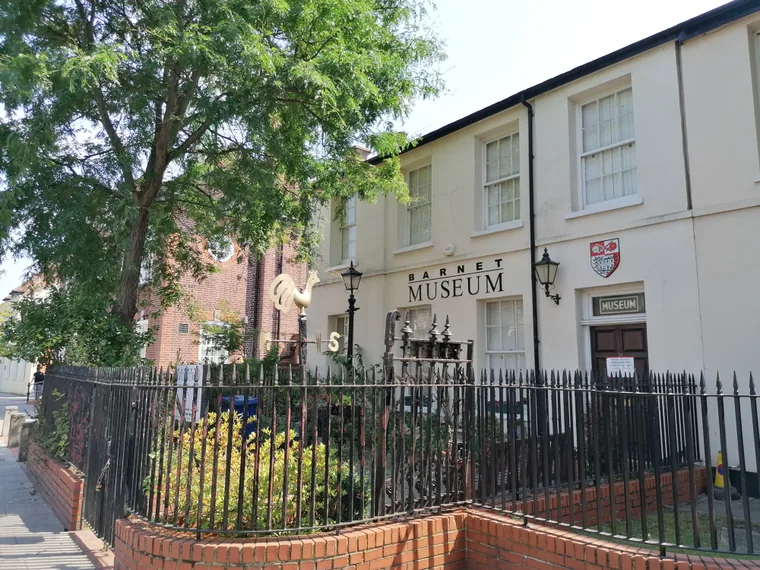
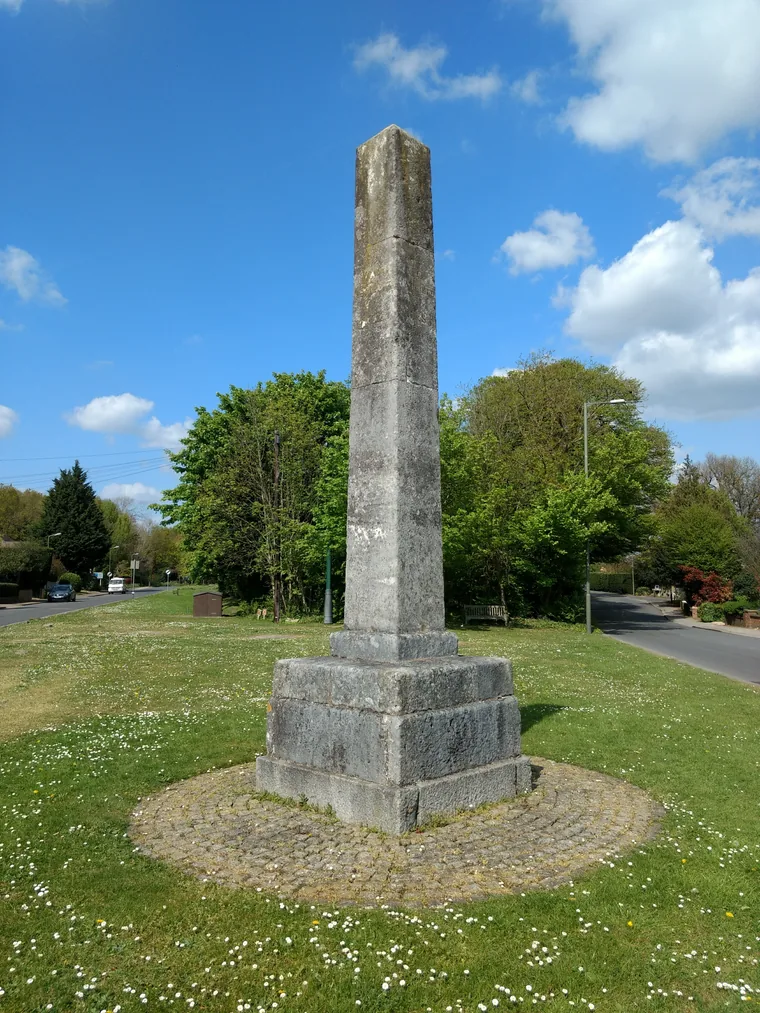
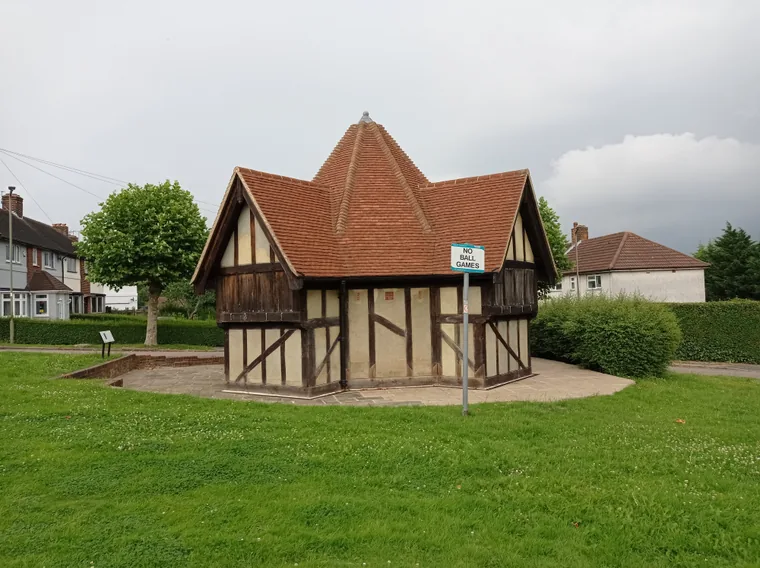
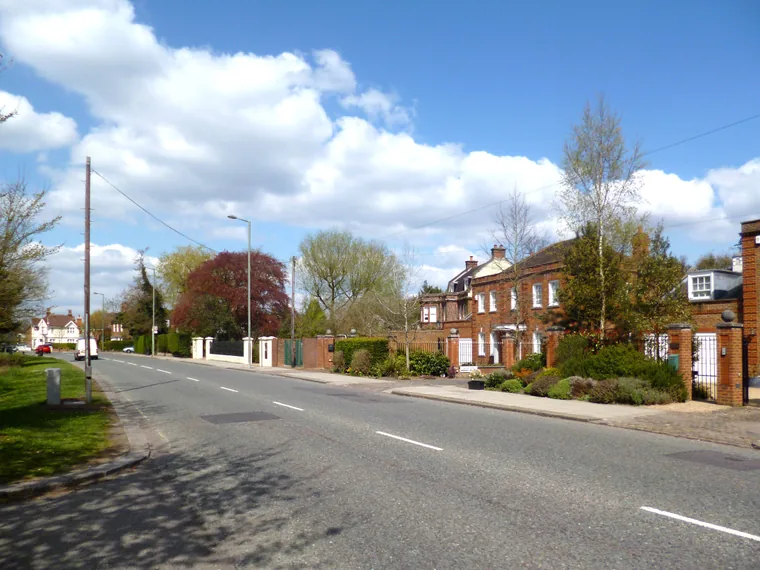
This was a coaching town for two hundred years, and then it wasn’t
Barnet did not grow round a church or a river. It grew round the point where horses pulling a coach out of London ran out of hill.
We are a coach company writing about a town that was once entirely made of coaches, so allow us the indulgence. Barnet exists because of the road, and almost everything awkward about parking a modern vehicle here follows from what the road did to it.
Eleven miles and one hill
Chipping Barnet sits 10½ miles north of Charing Cross, and its High Street stands at 427 feet above sea level — the high point of the old Great North Road, the route to York and Edinburgh. A team of horses leaving London could just about manage that climb, and then needed replacing. Barnet was where you replaced them.
So the town filled with inns. By 1756 there were twenty-five of them along the High Street, existing to change tired horses for fresh ones. At the peak, roughly 150 stagecoaches a day came through, plus carts, drovers and the animals being walked to market in London. The Mitre is the oldest of the coaching inns still standing.
The fair, and your hair
The other thing the road brought was trade. In 1588 Elizabeth I granted the Lord of the Manor of Barnet a charter for a twice-yearly fair, and it is still held — near Mays Lane, on the first Monday in September, more than four centuries later. In 1834 The Times reckoned it England’s largest cattle market.
It also gave London a word. Barnet Fair became rhyming slang for hair, and then shortened, and Londoners have been talking about their barnet ever since without any idea they are naming a horse fair on the Hertfordshire border.
And then the railway
The trade that built the town left it in a generation. The railway arrived, the coaches stopped, and Barnet was left with a High Street shaped entirely around a form of transport that no longer used it: long and narrow, one road wide, on a ridge, with the yards behind it built for horses rather than vehicles.
Why any of this is your problem
Because that is the street we have to put a coach on today. There is no coach park, no bus station and no layby; the car parks are car parks; the controlled zone runs Monday to Saturday, eight until half past six. Meanwhile the tube station — which is the obvious meeting point, and is the terminus of the Northern line — sits at the bottom of the hill the whole town was built on top of.
None of that is a complaint. It is just the reason we ask where you are actually going before we say where the coach will be. A town that was built for coaching is, four hundred years later, one of the harder places in north London to leave one standing.
Give us the address and the number of people. We will tell you the nearest place a coach can honestly wait — and in Barnet that is a more useful answer than it sounds.